Emergency water extraction for standing water that cannot wait
Emergency Water Extraction in Grand Island, Nebraska
When water is still on the floor, the first job is to remove it safely, find where it traveled and start a drying plan before damage spreads into trim, flooring and wall cavities. Grand Island Water Damage Restoration helps homeowners and businesses respond to flooded basements, burst supply lines, water heater failures, appliance leaks and sump pump overflow across central Nebraska.
What emergency extraction solves first
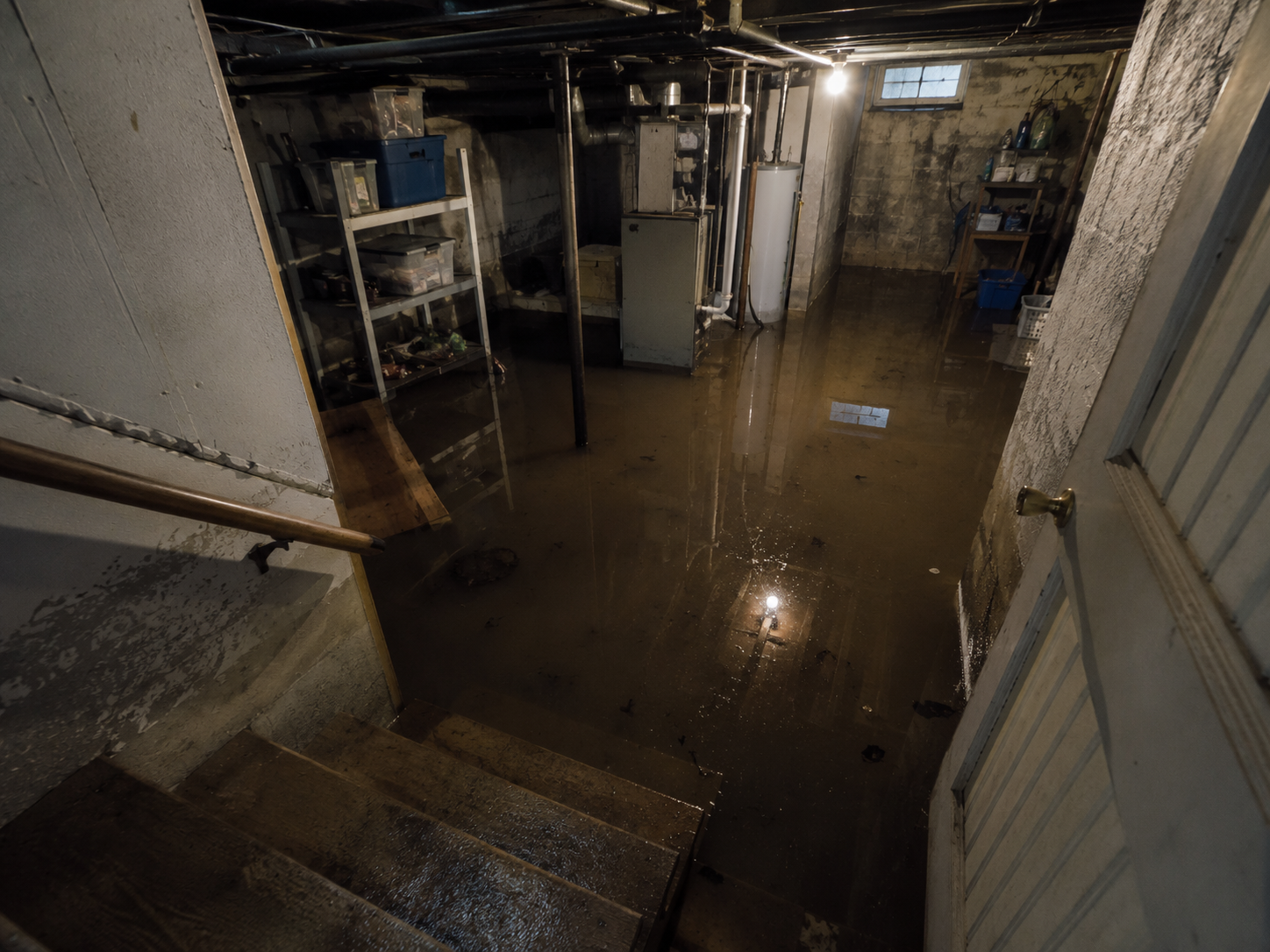
Standing water creates two problems at the same time. It damages the materials it touches, and it lets moisture migrate into nearby rooms, closets, baseboards and lower wall sections. In Grand Island homes, that can mean finished basement carpet, stored boxes, furnace rooms, laundry areas and utility spaces all being affected by one leak. In commercial spaces, water can spread under shelving, behind counters or into offices before anyone sees the full line of travel.
The extraction step removes accessible water so the building can be inspected more accurately. It also gives the drying plan a better start. If carpet, pad, subfloor or baseboards are still saturated after the visible water is gone, the job is not finished. That is why extraction should connect directly to structural drying, moisture checks and clear documentation.
- Pumping or extraction for accessible standing water
- Room-by-room moisture checks after water is removed
- Source notes so the same leak does not keep feeding damage
- Content protection guidance for furniture, boxes and stored items
- Drying recommendations for carpet, pad, baseboards and lower wall areas
What to do before help arrives
If it is safe, stop the source of water before cleanup begins. Shut off a supply valve, turn off the appliance involved or wait for storm water to recede before entering a wet lower level. Do not step into standing water near electrical panels, plugged-in appliances or submerged cords. If the water may include sewage, drain backup or outside contamination, stay out of the area and call about sewage backup cleanup instead of treating it like clean water.
Move small dry items out of the path of water, but avoid carrying wet contents across clean rooms. Take a few photos from the doorway if it is safe. Those first images can help explain when the loss was found, what rooms were affected and what materials were touched before extraction began.
How the response is handled
- Confirm the water source is stopped or controlled before extraction begins.
- Remove standing water from the lowest and most affected areas first.
- Check nearby rooms, closets and wall edges where water can wick out of sight.
- Set the next drying plan so the job does not stop at surface cleanup.
Grand Island water removal for homes and businesses
Central Nebraska properties see water damage from spring storms, frozen or split supply lines, sump pump problems, irrigation-adjacent runoff, roof leaks and ordinary plumbing failures. Basements are especially vulnerable because water naturally moves to the lowest level and can spread behind finished walls. Extraction helps limit that spread, but the follow-up matters just as much: wet pad may need removal, baseboards may need inspection and hidden moisture needs to be measured before repairs cover it.
For rental homes, farm-adjacent properties, offices and retail spaces around Grand Island, Wood River, Aurora and Kearney, quick water removal can reduce downtime and make the next decisions clearer. The goal is not to promise a building is dry after one pass. The goal is to remove what can be removed, identify what is still wet and give the owner a practical next step.
What happens after the water is removed
After extraction, the remaining work depends on what the water touched and how long it sat. Carpet pad may hold moisture even after the surface feels better. Baseboards may hide a damp edge along the wall. Stored boxes can keep humidity high in a basement if they are left in place. The follow-up should identify which materials can dry, which contents need separation and which rooms need another reading later in the day.
Owners should also keep notes during the first cleanup window. Record when the water was found, what source was stopped, which rooms had standing water and what items were moved. Those details help with repair planning and can support insurance documentation if a claim is opened.
Basement water can hide fast
Finished basements and storage areas can hold moisture under carpet, behind trim and along foundation walls. Quick extraction and moisture checks help keep the damage from spreading. If you are already seeing swelling, staining or a damp odor, ask about drying and mold prevention after water damage during the same call.
Need emergency water extraction in Grand Island?
Call (308) 773-4479 and share the affected rooms, water source and when it started.
Call now