Cleanup after heavy rain, roof leaks and flooded lower levels
Storm and Flood Cleanup in Grand Island, Nebraska
Central Nebraska storms can send water into a property through roof damage, window wells, floor drains, foundation cracks, sump pump failures and overwhelmed drainage. Grand Island Water Damage Restoration helps owners remove water, protect contents, document damage and begin drying after storm and flood events.
Storm cleanup starts with safety and source control
Storm water is not one simple category. Rainwater from a roof leak may affect ceilings and wall cavities. Water through a foundation or drain may carry dirt, debris or contamination. A flooded basement may involve electrical hazards, soaked contents and wet materials that need closer review. The first step is to understand where the water came from and whether the area can be entered safely.
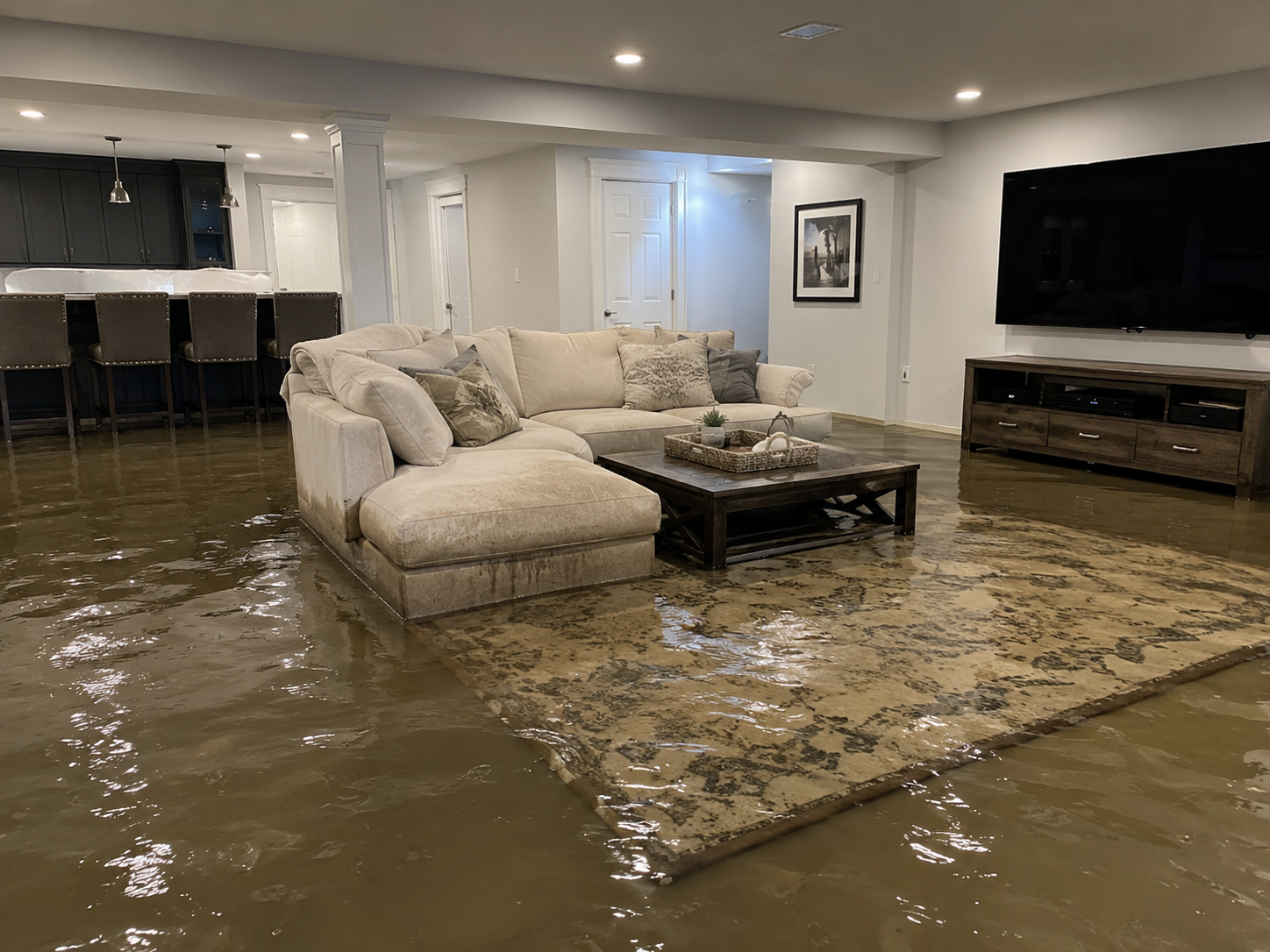
Once safety is addressed, cleanup turns to removal, separation and drying. Salvageable contents may need to be moved out of wet areas. Wet carpet, pad, drywall or insulation may need evaluation. Photos should be taken before major movement or removal if the owner expects an insurance conversation. If the water includes a drain backup, switch the plan to sewage backup cleanup rather than treating it as ordinary rainwater.
- Initial safety review for storm-affected rooms and basements
- Water removal from affected living, storage or utility areas
- Separation of rainwater concerns from contaminated-water risks
- Drying guidance for insulation, drywall, flooring and stored contents
- Photo documentation before materials are moved or removed
Common flood scenarios around Grand Island
Heavy rain can arrive fast across Hall County and nearby communities. Water may come through a lower-level window well, collect around a foundation, run toward a low garage, back up near a floor drain or follow a roof leak into attic insulation and ceiling materials. Rural and edge-of-town properties may also deal with long driveways, outbuildings, storage areas and mixed residential-commercial spaces where access and contents protection matter.
The cleanup plan should fit the situation. A finished basement in Grand Island may need extraction, carpet decisions and drying. A business in Hastings or Central City may need documentation before inventory or office materials are moved. A home near Aurora may need roof-leak tracing before interior work makes sense.
How the response is handled
- Look for active entry points such as roof leaks, foundation seepage or drain issues.
- Remove water and protect contents that can be safely moved.
- Identify materials that stayed wet long enough to need closer review.
- Document the loss for insurance and repair planning.
Drying and documentation after storm damage
Storm cleanup should not stop at removing visible water. Wind-driven rain, basement seepage and overflow can leave moisture in framing, base trim, insulation and under flooring. The next step is a drying plan that uses moisture checks to decide what can remain, what needs airflow and what may need removal. See structural drying if walls, floors or lower-level materials were wet for more than a short time.
Documentation also matters because storm claims often involve timing, source and damage-path questions. Photos, notes about where water entered and records of mitigation steps can make the conversation easier. Grand Island Water Damage Restoration can organize the details so the property owner has a cleaner timeline before speaking with a carrier or adjuster.
Questions to answer before repairs begin
Storm cleanup often raises questions that should be answered before repair work starts. Did water come from above, below or both? Did it touch insulation, electrical areas, stored contents or finished flooring? Was the water clean rainwater, or did it involve a drain, sewer or outside contamination? The answers affect what can be dried, what should be removed and how the loss should be documented.
Owners should also watch for damage that appears after the first cleanup. Ceiling stains may grow after a roof leak. Basement odors may show that water stayed under pad or behind trim. A door may begin sticking if framing or flooring swelled. Follow-up checks help catch those issues while drying decisions are still practical.
Storm water can spread quickly
Heavy rain, roof leaks, gutter problems and flooded basements can soak walls, flooring, stored items and lower-level rooms. Fast cleanup and drying help reduce additional damage. If you already have standing water, start with emergency water extraction and then move into drying and repair planning.
Need storm and flood cleanup in Grand Island?
Call (308) 773-4479 and share the affected rooms, water source and when it started.
Call now