Moisture control before a small water loss becomes a larger problem
Mold Prevention After Water Damage in Grand Island, Nebraska
Mold prevention is not a single spray or a promise. It is a practical water-damage process: stop the source, remove what cannot stay wet, dry the structure, control humidity and verify that hidden moisture has been addressed before repairs cover the evidence.
Where mold risk starts after water damage
Mold risk starts with moisture that remains long enough to support growth. In Grand Island homes, that moisture often hides in basement corners, behind base trim, under carpet pad, inside lower cabinets, around laundry rooms or in wall cavities after a pipe leak. In businesses, it can sit behind shelving, inside storage rooms or around mechanical spaces where air movement is limited.
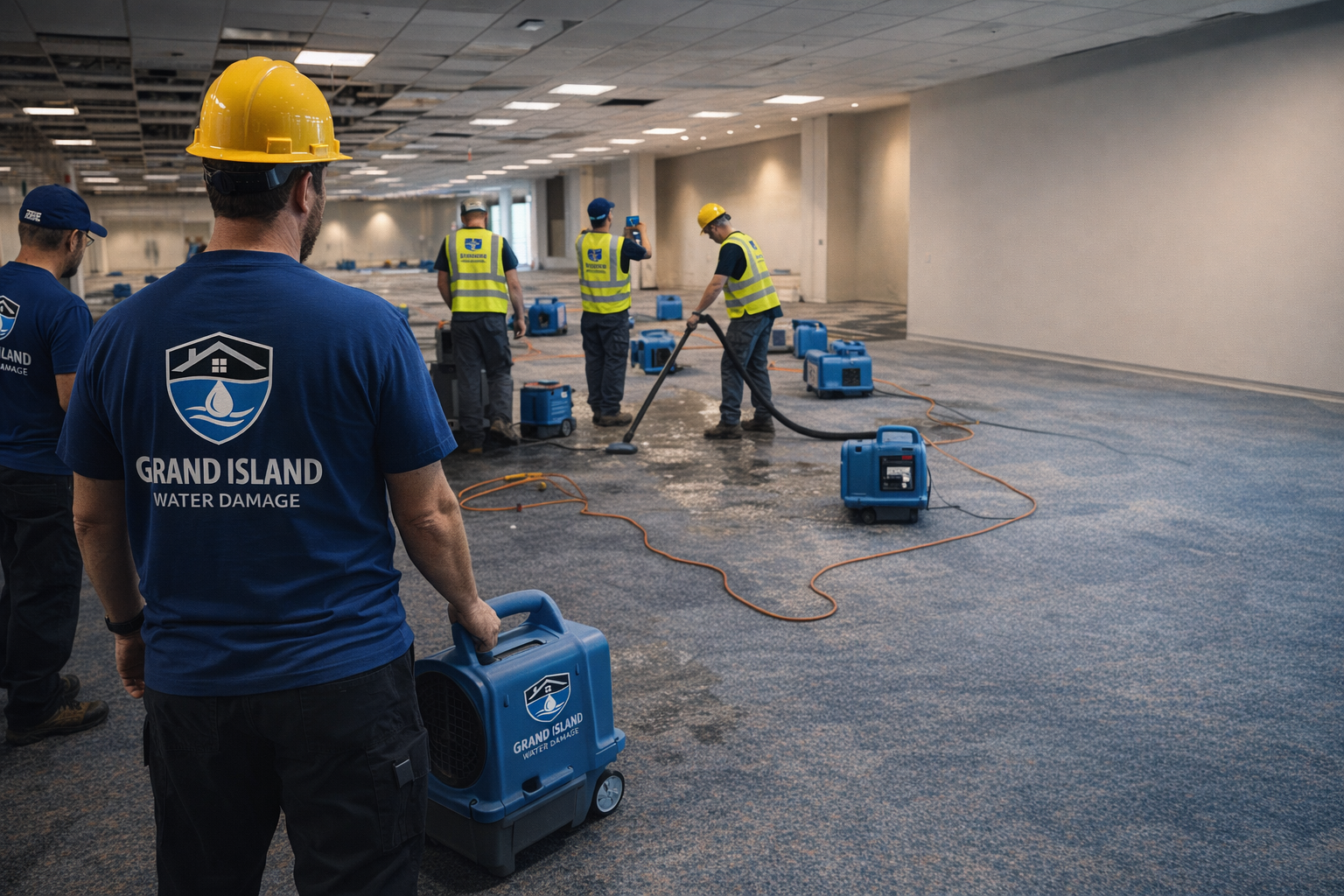
The prevention work begins with the same basics that make cleanup successful. Remove standing water, evaluate wet materials, dry the structure and keep humidity under control. If water came from a storm, drain backup or burst pipe, the prevention plan also needs to account for contamination, temperature and how long materials stayed wet. That is why mold prevention often follows water extraction and structural drying rather than standing alone.
- Moisture checks in walls, floors, trim and storage areas
- Drying guidance for materials that can be saved
- Removal recommendations for items that stayed wet too long
- Humidity control after basement or storm water events
- Plain-language prevention advice for the next few days after cleanup
What property owners can do right away
If the water source is safe to stop, stop it. Move dry contents out of damp rooms, but do not spread wet materials through clean areas. Open cabinet doors only if the water is clean and the area is safe. Avoid painting over stains, reinstalling trim or closing walls until moisture readings show the area is dry. Cosmetic repair can wait; hidden dampness should not.
Watch for musty odor, swelling baseboards, damp carpet edges, stains that grow after the initial cleanup and condensation in enclosed spaces. Those signs do not automatically mean a large mold problem, but they do mean moisture is still part of the conversation. If the loss involved contaminated water, use a safety-first plan through sewage backup cleanup before thinking about ordinary drying.
How the response is handled
- Find the moisture source and make sure it is not still active.
- Dry affected materials quickly and remove items that cannot be dried safely.
- Watch enclosed areas such as closets, baseboards and basement corners.
- Confirm the area is dry before cosmetic repairs cover the evidence.
Grand Island moisture concerns by season and property type
Central Nebraska properties can face different moisture issues through the year. Freezing temperatures can split supply lines or stress plumbing. Spring and summer storms can flood lower levels, window wells and storage areas. A slow appliance leak may run for days before anyone notices. Each source changes the prevention plan because the affected materials, contamination level and drying path are different.
For finished basements in Grand Island, rental homes in Alda, small businesses in Kearney and homes around Wood River, the goal is the same: prevent leftover moisture from creating odors, staining, material damage or growth concerns. Moisture checks and clear notes give the owner a better basis for repair timing and any claim discussion.
When to keep watching the area
The first drying pass is not always the end of the moisture concern. Keep watching the affected rooms for new odor, damp carpet edges, soft drywall, staining, condensation or swelling trim. These signs can appear after contents are moved, after a basement warms up or after humidity changes. If they show up, the safest next step is another moisture check before repairs continue.
Prevention also depends on reducing the conditions that caused the loss. A sump pump problem, slow plumbing leak, roof opening or drain issue should be corrected so the same area does not get wet again. Grand Island Water Damage Restoration can help separate cleanup needs from source-control notes so owners know what belongs in mitigation and what belongs in repair planning.
Prevent mold by controlling moisture fast
Basements, utility rooms and wall cavities can stay damp after a leak looks finished. Drying the area quickly helps reduce odors, staining and mold risk. If repairs are part of an insurance claim, combine the drying record with water damage insurance documentation.
Need mold prevention after water damage?
Call (308) 773-4479 and share the affected rooms, water source and when it started.
Call now